Fin install “issues” … fixed

So, I fixed up my sand thru ‘issue’. While I was going I put some resin into the air bubble holes around the other boxes.

In the end it’s come up OK, although the sand thru spot just looks ugly.

Might fix that with some colour, or even white, down the track.

Stuffed up sanding the fin boxes …

OK, so, I’ve done it … sanded thru the front of the glass, into the foam, in front of the rear fin box.

Bugger.

Due to the double concave, it was difficult to get the box sanded down, and I ended up taking too much …

Looks like a patch job is needed!

From machine cut blank to a smooth finish …

From cut blank to smooth finish …. Easily done in 20 mins ?

Mucking around with the nose and tail took some time, and then it was slow and steady with the concaves, so all up it was 3 hours on Friday afternoon / evening / night.  Then yesterday morning I checked the concaves and rails, and ended up with another 2 hours of ‘slow and steady’ fine tuning … very careful to only take a small amount of foam … as they say ‘easy to take off, hard to put it back on’ ..

The ‘forty one’ – machine cut blank is here

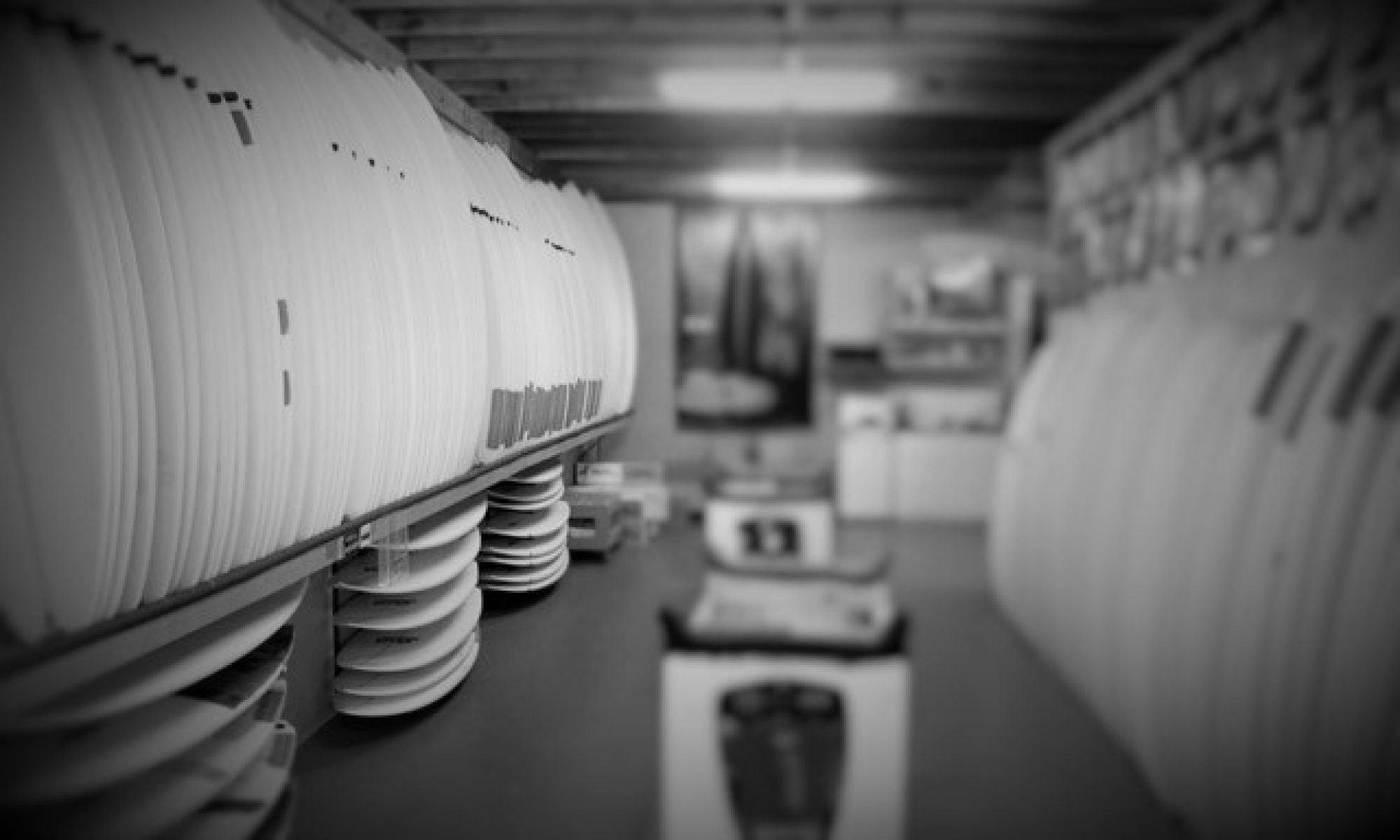
Totally stocked … picked up the ‘forty one’ machine cut blank today!

Looks very much like the AKU shaper file, but, it will need some refinement to get a good “base” design from which I can create various boards.

Things that need a tweak are:

  • Rails … probably a bit boxy,
  • Tail … looks a bit wide, may need a tweak
  • Nose … bit much foam from chest up

I’ve had this one cut with no bottom contours so I can shape them in myself. I was not sure how mucb to put into the ‘design’ on the computer or how it would then translate to the machine cut.

Probox Fin System … why?

So, after the hassles with the install of the fin plugs on the ‘jazz’ I did some research for an ‘easier’ fin system to install. I came across two “systems” that look OK … the 4 way fin system and the probox fin system … both having the after glassing install, but due to the ‘cant’ inserts, meaning the plugs / boxes were installed “flat’ meaning less hassle with the install for a newbie like me … the 4 ways system offers more “adjustments” but means using their fins, while the probox can handle both FCS and Futures type fins … so, I decided to go with the probox system.

So, I contact the Australian Distributor, and spoke with lance at Hanalei Fin Systems … I was a bit anxious being a newbie, but Lance was great, really helpful and happy to deal with my newbie questions. I e-mailed him and order and dropped the $ into their account that night, he confirmed the order the next morning and posted it to me so I had it two days later. Stoked. Great service.

So, looking forward to installing these in the ‘forty one’ … stay tuned.
The ‘forty one’ – AKU file sent for cutting

A major milestone in the evolution of my backyard process today … I’ve sent my first AKU shaper designed board to the machine cutters.

I’m really exciting and nervous at the same time … being the first, I’m not sure how it will turn out, or whether there are any design glitches with my file.

Time will tell.

The ‘jazz’ – fin install

I decided to try the Shapers S-plugs … I like the idea of not having to link the fin box to the deck, and I’ve been an FCS user for years so I have a collection of fins … with a larger ‘footprint’ and the ‘scallopped’ edges the S-pug looked the goods … however, I was quite prepared enough when I did the install. I thought I could put some resin in the hole and then set the fin cant … bad, bad idea … very hard to get masking tape off the roll and onto the board and fins once your fingers are sticky from the resin … and then the time wasted stuffing around meant the resin gelled since I was using mekp (i.e. due to the ‘depth’ of the resin uv will not set) … meaning a messy install.

I also ran out of q-cell so the next batch was straight resin, and so the install looks a bit odd … ah the joys of the first project!

The ‘jazz’ – glassing lessons 101

Being my first attempt at glassing, I knew there would be issues. Using UV cure was the best choice because I had more time … but, that did not stop the stuff up … when I was laminating the bottom, it felt like the resin started to get sticky, like the fist hint it’s about to ‘kick’ when using mekp … so I started to rush … bad move … using my hands to wet the laps in a hurry then meant pulls, and some area’s ended up not wet enough … the end result a really bad lap job and a lot of sanding ensured to get it smooth …

This also lead to sand thru’s after the hotcoat as I tried to get a “smooth” finish, and many, many patches to fix soft spots …

You can see the end result in this pic … a very ugly lap line!

The ‘jazz’ – my test project

After many hours reading and researching, especially on swaylocks, it is time to actually “do” … I did not want to just ‘practice’ on old bits of foam, and thought the best solution was to try and make something … so, I grabbed a seconds blank that had been pre cut for $20 … this blank had a few “issues”, namely airbubbles and a weird discolouration in the tail and started it’s life as a 6’1″ … working around the “issues” it has ended up at 5’6″ …

Using the pre shaped blank gave me a feel for the little ridges the machine leaves, and how much effort it takes to smooth them down … then with the “issues” I had a play with shaping the nose and tail and blending the rails into the new nose and tail … this pre shape had some concave already, so I only smoothed out the ridges and went with what was already there.

The ‘logo’ … applied as a stencil

I add a ‘logo’ to the boards I make … it’s painted (water based kids craft paint) on as a “stencil” which takes about 20 minutes. I usually just have a break while it dries, and then hit it with some clear acrylic spray paint (rattle can stuff from supa cheap auto) to stop any ‘bleeding’ into the resin when I glass.

I decided to start with this method of applying the logo because:

  1. It is cheaper than having logo’s printed onto rice paper, and
  2. I could not print my own onto rice paper because we don’t have a colour injet printer … we have a colour laser printer!
  3. Using UV catalyst, I would have had to have a small batch of mekp catalysed resin to put under the rice paper logo …

So, the simple solution was a ‘stencil’ for painting the ‘logo’ onto the foam.